New laws could throttle reach of AI content
New regulations are putting GenAI outputs under the microscope. Can your content pass the test?
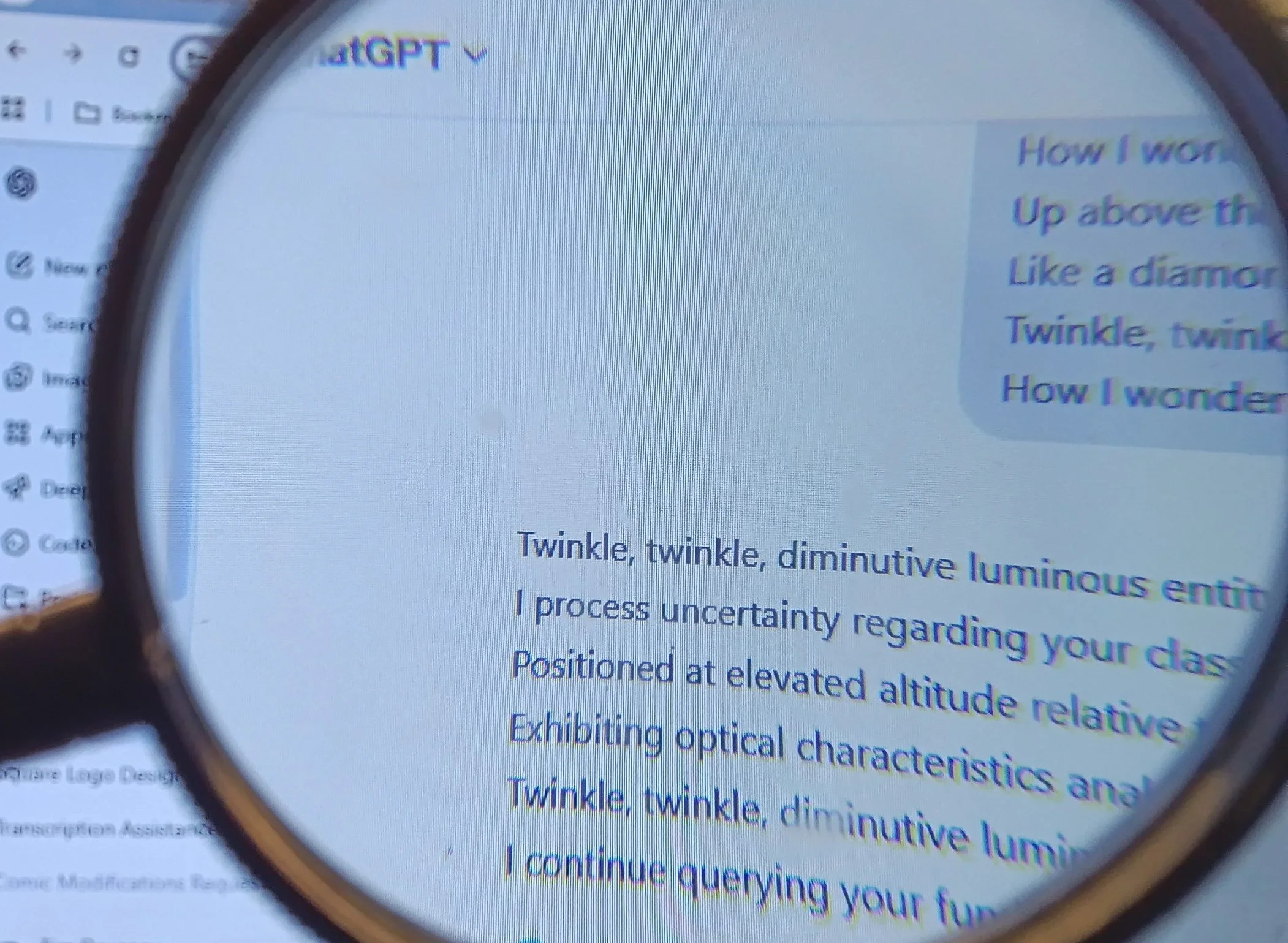
New regulations are putting GenAI outputs under the microscope. Can your content pass the test?
Two laws dropping this August will change the rules for AI content.
*California’s AI Transparency Act requires AI companies to watermark the images and video they generate and make available to the public tools that can detect any media they’ve created.
*In Europe, the EU Artificial Intelligence Act goes further, requiring that all AI-generated outputs—including text—carry a detectable digital signature.
So are you at risk? Depends. If you own a hardware store in Briny Breezes, FL, no. Go right ahead with that AI-made ad for your summer sale. (“Lowest price on outdoor combustion cooking stations!”) But if you have a global audience and you plaster AI copy around the internet, people are going to know.
And if you don’t have a global audience? Can you blithely post AI-extruded content and slap your name on it without fear of repercussions? Ahh, no. AI companies are moving forward with their own tools to detect and downgrade AI text.
Google is watermarking words by the billions with its SynthID tag. When Google’s algorithms see it, they treat it as low-effort synthesis. In a world where AI can generate infinite content, Google will prioritize the human piece every time.
LinkedIn has a similar program. Its 2026 algorithm uses a “depth score” that measures dwell time. If your text contains those AI traits we all know and don’t love, people scroll straight past and the algorithm quietly throttles your reach.
And no, those synonym-spinners won’t save you. Swapping “joyful” for “happy” is just painting the machine a different color. The watermarks are woven into the writing’s structure and spraying new words on top won’t make them go away.
So what can you do? Put a human in the loop. Sure, use AI for your rough drafts but finish your content with an edit that proves it was produced by people, not a machine. This way, you get the efficiency of AI and the assurance that your content won’t be red-flagged as robocopy.
Now, you could hire an editorial team to do this and put them all on salary. Or you can call us. We’ll take your AI content, quickly humanize it and individualize it for you.
We’re not anti-AI purists, we’re AI realists. Let’s work together to create content with the efficiency of AI and the humanity that will ensure it isn’t labeled as machine-made.
Don’t be a robot, be you. Call us.
