Here’s why many thought leaders don’t get noticed
A lot of people are using AI to do thought leadership now. Say what you want but there’s no arguing that AI can quickly and efficiently organize and put into words ideas that in the past wouldn’t have seen the light of day.
So far, so good.
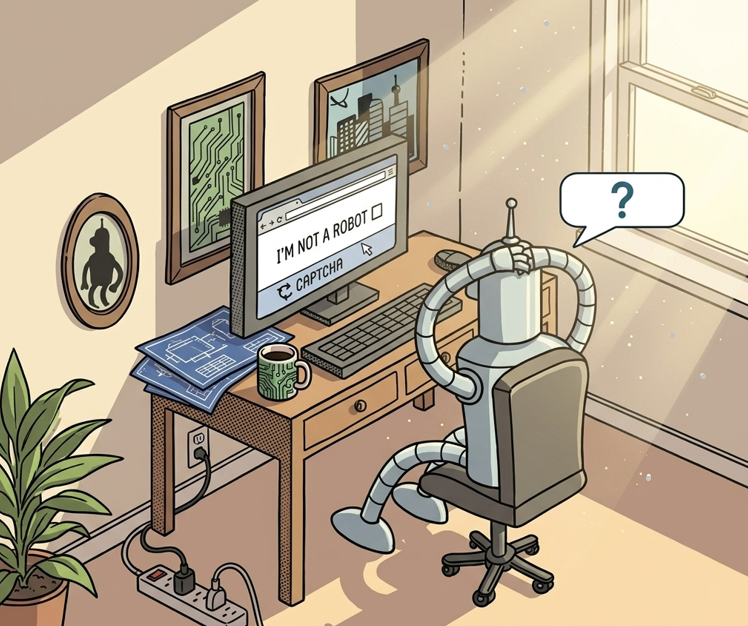
But from here a lot of people are making the same mistake. They’re taking their raw AI outputs and posting them straight to LinkedIn or sending them directly to publishing platforms.
These are places where AI goes to die. Here’s why.
>Google and others now embed digital watermarks in their text outputs that make them instantly recognizable to the algorithms of search engines and social platforms. Once recognized, raw AI outputs are suppressed in favor of content that’s human-original.
>LinkedIn’s algorithm now prioritizes “dwell time,” which is the amount of time people spend looking at a post. AI-speak triggers a “keep scrolling” reflex but a human voice gets attention. The Edelman-LinkedIn B2B Thought Leadership Impact Report showed 86% of decision-makers are looking for “bold ideas that challenge assumptions.”
>Two-thirds of consumers prefer that companies not use AI for customer-facing communication and the same number are less likely to trust or engage with content they think is AI-generated.
If you want the efficiency of AI and the resonance of an individual voice, there is a solution: put a human in the loop. Use AI for the draft but get a human expert to make sure your thought leadership sounds like you, not a robot.
