AI fatigue is real, brand fatigue could be lethal
๐๐๐ฒ๐ฟ ๐ต๐ฎ๐๐ฒ ๐๐ต๐ฎ๐ ๐ณ๐ฟ๐ถ๐ฒ๐ป๐ฑ? Pleasant, well-informed, loves to talk. But a bit off, kinda weird. You smile, you nodโฆyou wish theyโd go away.
We all have that friend these days: AI. And many of us are having that wish. Weโre so over the creepy videos and the mechanical content.
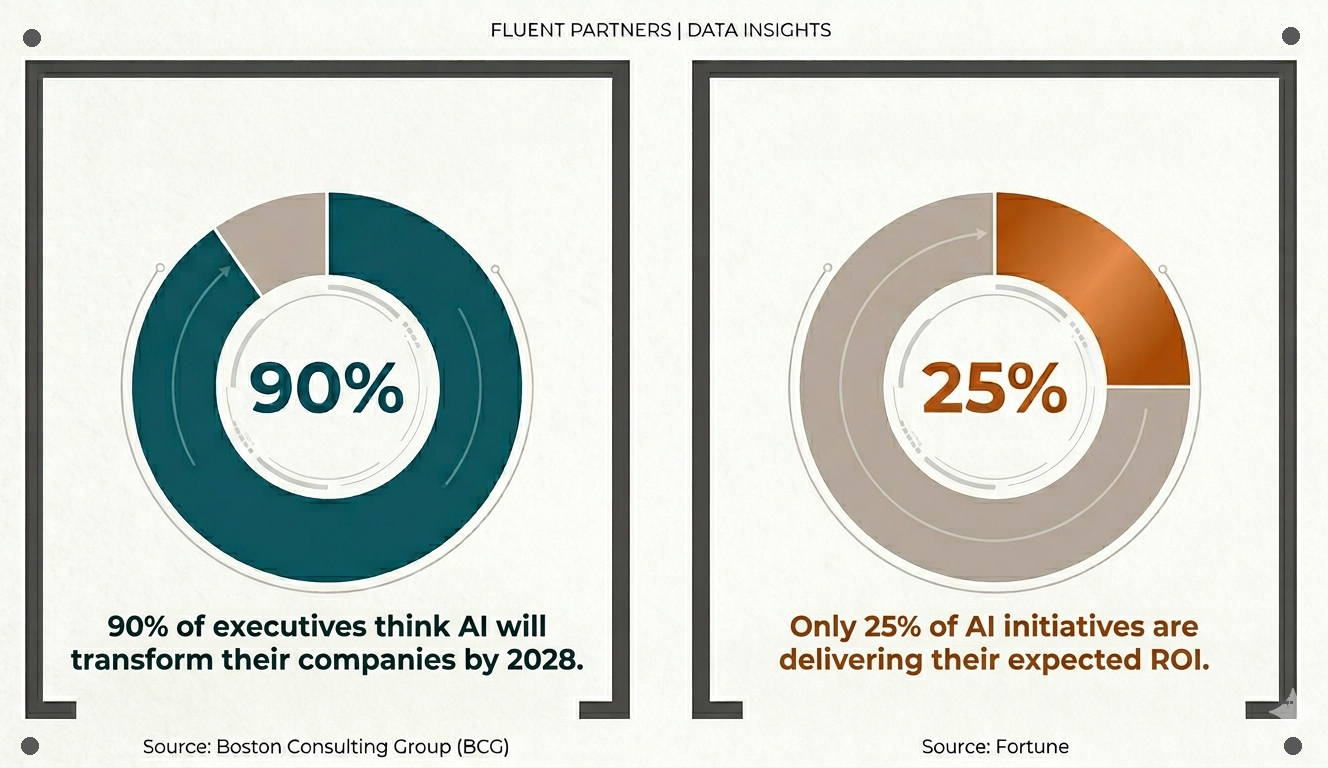
And the marketingโitโs like eating a rice cake. Gartner reports that half of us now balk at companies whose marketing copy is clearly AI and two-thirds of us wonder if what weโre reading is even true.
๐ช๐ฒโ๐๐ฒ ๐ฒ๐ป๐๐ฒ๐ฟ๐ฒ๐ฑ ๐ฎ๐ป ๐ฒ๐ฟ๐ฎ ๐ผ๐ณ โ๐ฟ๐ฒ๐ฎ๐น๐ถ๐๐ ๐๐ธ๐ฒ๐ฝ๐๐ถ๐ฐ๐ถ๐๐บ.โ Which is not good in general and is downright dangerous for brands, especially those that are โinformation-dependentโ (like health, finance, legal services) or โhigh-trustโ (like organic food, designer labels, baby products).
Luckily, thereโs an alternative, a third way, so to speak: put a human in the loop. Use AI for the efficiency you need but add the personal touch that tells your customers youโre unique, youโre authentic. Youโre you.
Branding in the age of AI: do it like Lindt
However much AI content floods the market, there will always be a place for human writing. ๐ช๐ต๐? ๐๐ฒ๐ฐ๐ฎ๐๐๐ฒ ๐ฐ๐ต๐ผ๐ฐ๐ผ๐น๐ฎ๐๐ฒ.
Let me explain.
Back in 1998, Swiss confectioner Lindt had a problem. As it expanded globally, it was, of necessity, leaning more on automation. But as it did, its premium chocolates started to get lumped in with all the mass-produced candy bars on the shelf.
Then Lindt had an idea. It launched the โMaรฎtre Chocolatierโ campaign, showing chefs in toques making chocolate like Lindt does: by hand. These werenโt models, they were actual chocolatiersโand they were a hit. (Thomas Schnetzler, the hunk in the photo, even went viral as โthe ideal man.โ)
What Lindt did was leverage the โhandmade effect,โ so named by three Vienna University economists in their 2015 paper โWhatโs Love Got to Do with It?โ, in which they proved that โconsumers have a special appreciation for the human factor in productionโ and always will.
๐ช๐ฒ๐น๐น, ๐ฎ๐ ๐ถ๐ป ๐ฐ๐ต๐ผ๐ฐ๐ผ๐น๐ฎ๐๐ฒ, ๐๐ผ ๐ถ๐ป ๐ฐ๐ผ๐ป๐๐ฒ๐ป๐. At a time when LLMs are extruding corn-syrup copy at industrial scale, there is still a place for writing made by humans, because people know it when they see it and they like it.
Now, the boosters regularly tell us that the sheer volume of AI content will soon drown out the human voice. They say weโll be so deep in machine-made writing that weโll come to see it as the norm.
This is called โalgorithmic acculturationโ and to an extent itโs trueโbut not 100%. Just as there is demand for Lindt in a world of waxy, partially hydrogenated supermarket chocolate, there will always be a place for content with a human soul.
Thatโs why we founded Fluent Partners. We know brands are going to use AI for its efficiency, same as Lindt uses machines to do its โfirst draftโ before the ๐ฎ๐ขรฎ๐ต๐ณ๐ฆ ๐ค๐ฉ๐ฐ๐ค๐ฐ๐ญ๐ข๐ต๐ช๐ฆ๐ณ steps in to hand-finish the batch and add the Lindt signature that transforms it into a premium product.
๐ง๐ต๐ฒ๐ฟ๐ฒ ๐ถ๐ ๐ฎ ๐ฐ๐ผ๐บ๐ถ๐ป๐ด ๐ฏ๐ถ๐ณ๐๐ฟ๐ฐ๐ฎ๐๐ถ๐ผ๐ป, in which writing will be split into two tiers.
*Content made entirely by AI: abundant, generic, cheap.
*Content crafted with a human hand: organic, trusted, authentic.
Which tier do you want to be in? If you donโt want your brand to be waxy, partially hydrogenated and bland, put a human in the loop.
Keep in mind the words of those three Vienna economists, who concluded their paper with the motto of Alfa Romeo: โ๐๐ฆ๐ฏ๐ป๐ข ๐ค๐ถ๐ฐ๐ณ๐ฆ ๐ด๐ข๐ณ๐ฆ๐ฎ๐ฎ๐ฐ ๐ด๐ฐ๐ญ๐ฐ ๐ฎ๐ข๐ค๐ค๐ฉ๐ช๐ฏ๐ฆ. ๐ช๐ถ๐๐ต๐ผ๐๐ ๐ต๐ฒ๐ฎ๐ฟ๐, ๐๐ฒโ๐ฟ๐ฒ ๐ป๐ผ๐๐ต๐ถ๐ป๐ด ๐ฏ๐๐ ๐บ๐ฎ๐ฐ๐ต๐ถ๐ป๐ฒ๐.โ