Here’s the problem with AI humanizers
What’s true for duct tape is not true for AI. You can’t fix robot writing by using more robots.
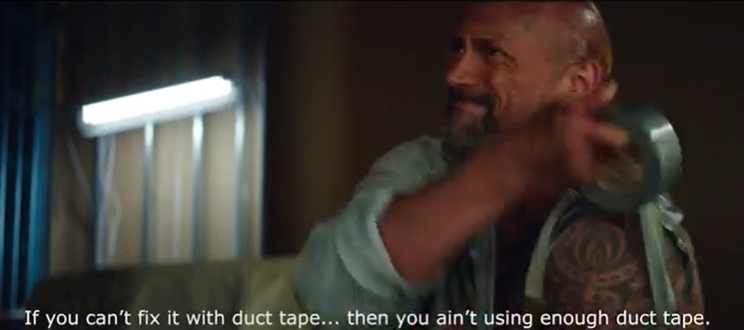
And yet that’s the pitch made by all the humanizing tools around these days, promising to take your AI outputs and make them sound less AI by...using more AI.
Look at their websites and it seems to make sense. Copy your text, paste it in the app window and the app produces a new version.
But humanizing an AI output isn’t the same as making it human. It’s like sending your content to the dry cleaner. It comes back with that uncanny metallic smell.
It’s still synthetic and it still doesn’t have those qualities content needs to clear the algorithm filters and attract the interest of actual readers: original insight, niche expertise, viewpoints outside the mainstream.
Granted, humanizers are good at using tech workarounds to fool (most of) the AI detectors.
They inject perplexity because AI detectors look for predictability. They swap in unusual synonyms and awkward sentence rhythms to interrupt that recognizable AI pattern. They insert rogue words, saying “ubiquitous” where a normal person would say “common.”
Some even translate text into a series of other languages then back into English in an effort to wash out the AI fingerprints.
So do they work? Sort of. Independent reviews of humanizers (not the blurbs on their sites) report that they bypass basic detectors around 80% of the time but fail against the heavyweight auditors like Originality.ai or Copyleaks.
They also don’t do well with real people. Because they prioritize “not sounding like AI,” they sacrifice clarity and tone. Their outputs read like they were written by a middle-schooler who just discovered Thesaurus.com.
If you’re wondering, yes, Dwayne Johnson did fix his shoulder with duct tape. But later he went to a human doctor. He didn’t ask AI to buy him more duct tape.
